“by nature” search results (10000)

Differences in Ethiopian coffee
A large amount of coffee production (95%) is done by small shareholders, with an average yield of 561 kg per hectare. For centuries, minority holders of Ethiopian coffee farms have been producing a variety of high-quality types of coffee. The secret of producing high-quality coffee is that coffee growers have developed environmental conditions through generations of repeated learning about the coffee planting process.
2016-05-31 Ethiopia coffee difference mass production 95% all by shares.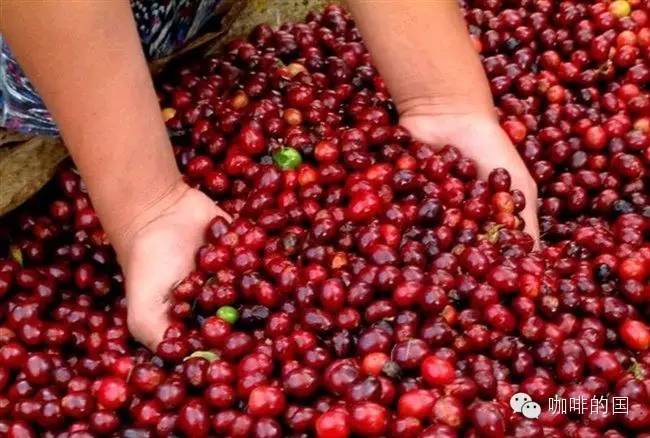
African Coffee Ethiopia Sidamo Sun treatment Lion King Ethiopia Sidama Black Coffee
Ethiopian Sidamo Lion King Natural country: Ethiopia level: G1 production area: Guji planting altitude: 1800-2000m soil species: volcanic laterite annual rainfall: 1100-1200 cm treatment method: sun varieties: local native species (Heirloom) treatment field: Sirsa cooperative bean specification: 17-18 mesh flavor: jasmine, honey, mandarin
2016-03-25 Africa Coffee Ethiopia Dharma Sun processing Lion King Esso Biya
Perhaps the traditional process and new technology of thermal conversion smart mug should be integrated more naturally.
Perhaps traditional processes and new technologies should be integrated more naturally. A mug developed by Finnish coffee roasters and advertising companies may provide us with a different highlight. The biggest feature of the mug, called MUKI, is that it has an E ink display attached to it, which allows users to synchronize photos and text to the face with the help of a mobile app. And
2015-11-13 Transformation intelligence mark tradition craftsmanship new technology maybe should merge have to be more
Cuban Crystal Mountain Sun washed Cuban Crystal Coffee introduction Cuban Crystal Coffee Crystal Mountain Coffee
In 1748, coffee was introduced into Cuba from Domiga, and Cuba began to grow coffee ever since. With fertile land, humid climate and abundant Rain Water, Cuba can be called a natural treasure land for coffee cultivation. The suitable natural conditions provide a favorable natural environment for the growth of coffee trees, and coffee is well planted and developed here. In Cuba, the cultivation of coffee is regulated by the state. The best in Cuba.
2016-09-01 Cuba Crystal Mountain Solar Water washing Crystal Coffee introduction 1748
Cuban Crystal Mountain Sun washed Cuban Crystal Coffee introduction Cuban Crystal Coffee Crystal Mountain Coffee
In 1748, coffee was introduced into Cuba from Domiga, and Cuba began to grow coffee ever since. With fertile land, humid climate and abundant Rain Water, Cuba can be called a natural treasure land for coffee cultivation. The suitable natural conditions provide a favorable natural environment for the growth of coffee trees, and coffee is well planted and developed here. In Cuba, the cultivation of coffee is regulated by the state. The best in Cuba.
2016-09-01 Cuba Crystal Mountain Solar Water washing Crystal Coffee introduction 1748
Cuban Crystal Mountain Sun washed Cuban Crystal Coffee introduction Cuban Crystal Coffee Crystal Mountain Coffee
In 1748, coffee was introduced into Cuba from Domiga, and Cuba began to grow coffee ever since. With fertile land, humid climate and abundant Rain Water, Cuba can be called a natural treasure land for coffee cultivation. The suitable natural conditions provide a favorable natural environment for the growth of coffee trees, and coffee is well planted and developed here. In Cuba, the cultivation of coffee is regulated by the state. The best in Cuba.
2016-09-01 Cuba Crystal Mountain Solar Water washing Crystal Coffee introduction 1748
The History of Cuban Coffee
In 1748, coffee was introduced into Cuba from Dominica, and Cuba began to grow coffee ever since. With fertile land, humid climate and abundant Rain Water, Cuba can be called a natural treasure land for coffee cultivation. The suitable natural conditions provide a favorable natural environment for the growth of coffee trees, and coffee is well planted and developed here. In Cuba, the cultivation of coffee is regulated by the state. Cuba is the most
2014-08-06 Coffee Culture Cuban Coffee History Coffee Encyclopedia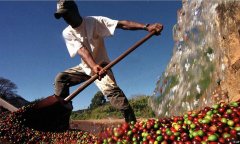
History and culture of Cuban coffee
Coffee was introduced to Cuba from Dominica in 1748, and Cuba has since grown coffee. The fertile soil, humid climate and abundant rainfall in Cuba make it a natural treasure for coffee cultivation. Suitable natural conditions provide a favorable natural environment for the growth of coffee trees, where coffee is well planted and developed. In Cuba, coffee cultivation is regulated by the State. Cuba
2015-04-29 Coffee Country of origin Cultural knowledge Cuba History and culture 1748 Domi
Introduction of El Salvador Coffee Manor with rich natural hot springs
A supplementary note about this hot spring: the water temperature of the source is 85 degrees. A 2-inch pipe is used to direct the water to six hot spring pools at different elevations. The temperature is 32 degrees 34 degrees at the sixth hot spring pool. Then use the cooled hot spring water to process raw coffee beans. This hot spring water keeps flowing all the year round. Local people drink this hot spring water. Its PH value is 8.02.
2016-07-05 Own rich natural hot springs El Salvador coffee manor producing area introduction customs
Washed or dry? The relationship between the handling method and the level name
The coffee beans baked by us as ingredients are actually the seeds in the coffee fruit. Coffee farmers give the fruit another name, coffee cherry (Coffee Cherry). If the pulp is separated from the seed, and how to dry the seed into a state that is easy to preserve, the whole process is collectively referred to as treatment. Due to the effect of the treatment process on the quality and flavor of coffee beans
2015-04-14 Washing or drying handling method level name relationship we as
Introduction to the Flavor description Manor of Fine Coffee beans in the Coffee Variety producing area of Crystal Mountain, Cuba
Located in the West Indies, the Republic of Cuba has a detached and pristine natural environment, the beautiful Caribbean Sea and the world-famous Crystal Mountain Coffee. In 1748, coffee was introduced into Cuba from Domiga, and Cuba began to grow coffee ever since. With fertile land, humid climate and abundant Rain Water, Cuba can be called a natural treasure land for coffee cultivation. The suitable natural condition is the growth of coffee trees.
2016-09-26 Cuba Crystal Mountain coffee varieties producing areas boutique coffee beans flavor description Zhuang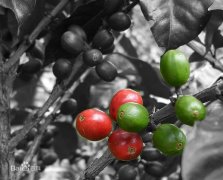
Understand Brazilian Coffee and enter Brazilian boutique Coffee products
It is unique that growers from each producing area will study and develop local processing techniques according to the characteristics of the local environment, and it is Dangdu's unique raw bean processing technology that makes coffee tastes different from one place to another. The treatment of raw beans is like the brewing process of beer, different methods will lead to different tastes of coffee. Most of us are right about ourselves.
2016-06-02 Understand Brazil coffee enter boutique single product unique each origin species
Understand Brazilian Coffee and enter Brazilian boutique Coffee products
It is unique that growers from each producing area will study and develop local processing techniques according to the characteristics of the local environment, and it is Dangdu's unique raw bean processing technology that makes coffee tastes different from one place to another. The treatment of raw beans is like the brewing process of beer, different methods will lead to different tastes of coffee. Most of us are right about ourselves.
2016-06-02 Understand Brazil coffee enter boutique single product unique each origin species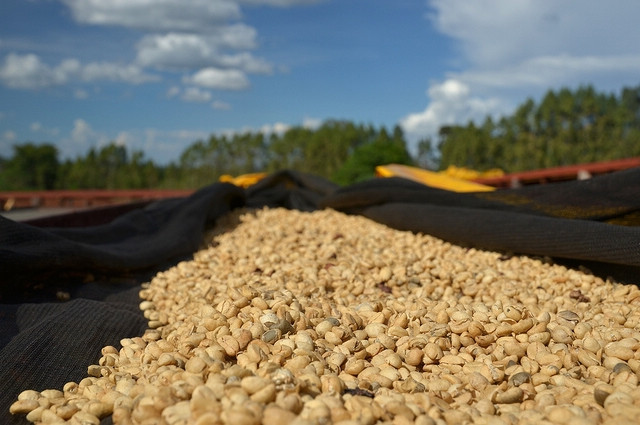
What is Solar treatment? Guava Plain Manor in Guatemala New Oriental region
Sun drying: the sun drying method is also called natural drying because it uses natural sunlight to dry the fruits and raw beans of coffee. Due to the use of artificial and natural treatment methods in the process, the sun-cured beans look irregular and unflattering in appearance. 1. Choose beans: put the harvested fruit in the water tank, and the ripe fruit will sink, while the unripe and overripe fruit
2016-03-30 What solarization processing Guatemala New Oriental producing areas guava plains manors
History of Cuban Coffee Culture of Cuban Coffee City
Coffee was introduced to Cuba from Dominica in 1748, and Cuba has since grown coffee. The fertile soil, humid climate and abundant rainfall in Cuba make it a natural treasure for coffee cultivation. Suitable natural conditions provide a favorable natural environment for the growth of coffee trees, where coffee is well planted and developed. In Cuba, coffee cultivation is regulated by the State. Cuba
2015-03-10 Cuba Coffee History Culture City 1748 Dominica
Cuban Crystal Mountain Coffee Bean introduction to Tobacco-flavored Coffee Cuban Crystal Mountain Coffee of Ancient quality
Located in the West Indies, the Republic of Cuba has a detached and pristine natural environment, the beautiful Caribbean Sea and the world-famous Crystal Mountain Coffee. In 1748, coffee was introduced into Cuba from Domiga, and Cuba began to grow coffee ever since. With fertile land, humid climate and abundant Rain Water, Cuba can be called a natural treasure land for coffee cultivation. The suitable natural condition is the growth of coffee trees.
2016-03-25 Cuba Crystal Mountain coffee beans introduction with tobacco coffee quality total
Crystal Mountain Coffee is synonymous with premium Cuban coffee.
Coffee was introduced to Cuba from Dominica in 1748, and Cuba has since grown coffee. The fertile soil, humid climate and abundant rainfall in Cuba make it a natural treasure for coffee cultivation. Suitable natural conditions provide a favorable natural environment for the growth of coffee trees, where coffee is well planted and developed. In Cuba, coffee cultivation is regulated by the State. Cuba
2015-01-30 Crystal Mountain Coffee Top Cuba Synonym 1748 Dominica
Overview of Ethiopian Coffee
The full name of the Federal Democratic Republic of Ethiopia (formerly known as Abyssinia) is a country located in northeast Africa. English name: The Federal Democratic Republic of Ethiopia, Ethiopia is the country of origin and hometown of coffee. Ethiopia has unique natural conditions suitable for growing all imaginable coffee.
2016-06-05 Ethiopia Coffee Overview full name Federation Democracy Republic
Overview of Ethiopian Coffee
The full name of the Federal Democratic Republic of Ethiopia (formerly known as Abyssinia) is a country located in northeast Africa. English name: The Federal Democratic Republic of Ethiopia, Ethiopia is the country of origin and hometown of coffee. Ethiopia has unique natural conditions suitable for growing all imaginable coffee.
2016-06-07 Ethiopia Coffee Overview full name Federation Democracy Republic
How to choose Fairtrade Fairtrade Coffee from Sunshine Cooperative in Cajamaka producing area of Peru
Peru coffee Peru (Peru) is also a major coffee producer. Peruvian coffee producing areas: up to 98% of Peruvian coffee is grown in forest areas, and most of the producers are small farmers. Peru's finest coffee is produced in Chanchmayo, Cuzco, Norte and Puno. Most Peruvian coffee is grown under natural conditions.
2016-03-30 How Peru Caha Maka producing areas Sunshine Cooperatives Fairness Trade washing